
I am a multi-disciplinary artist. I make paintings of many kinds, objects/assemblages, photos and videos.
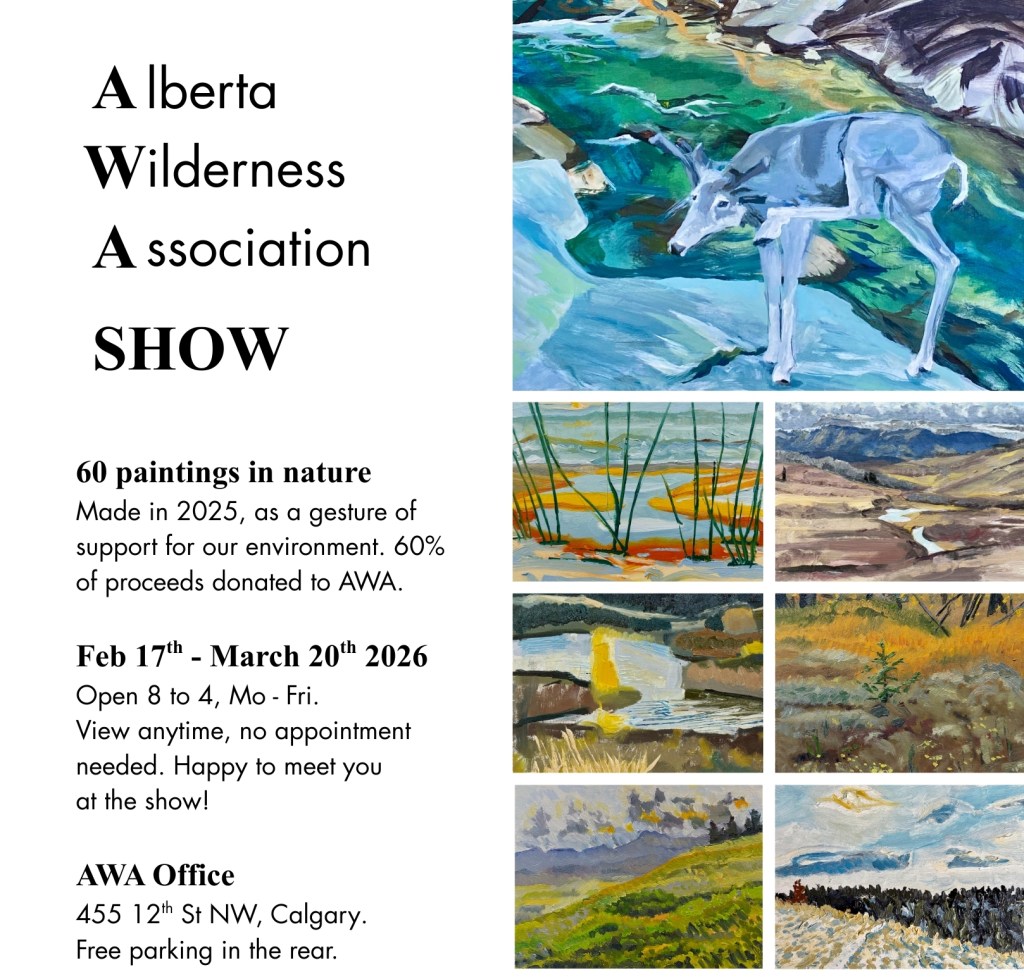
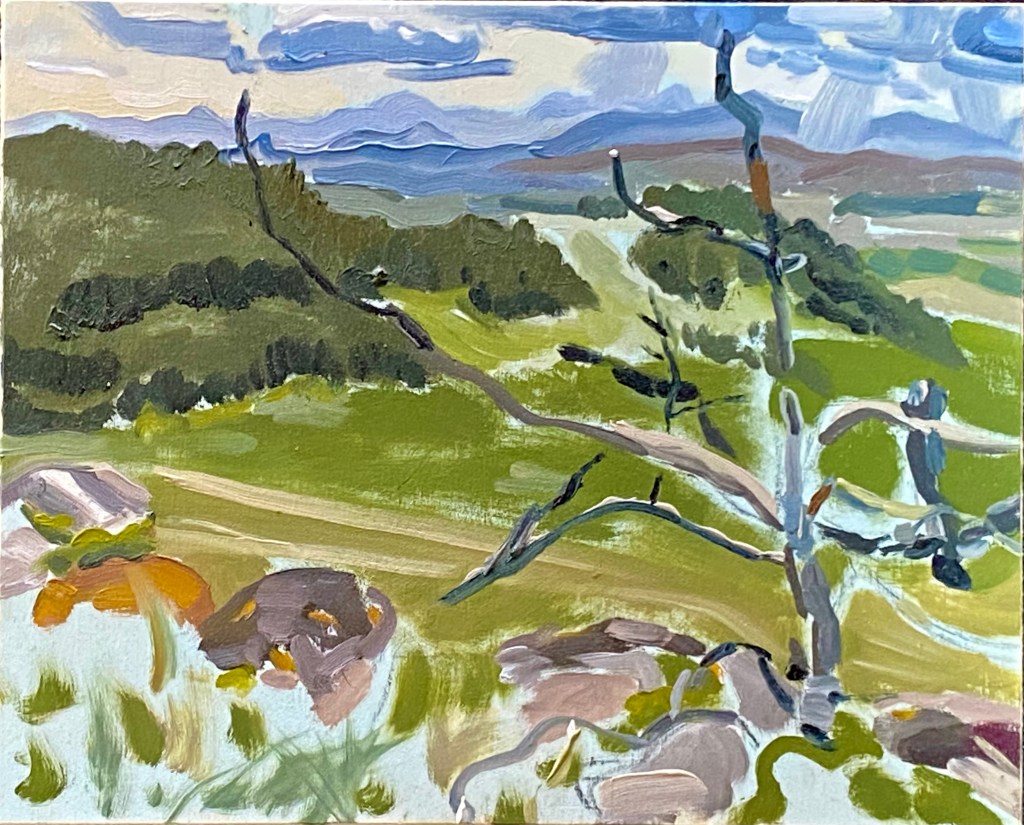
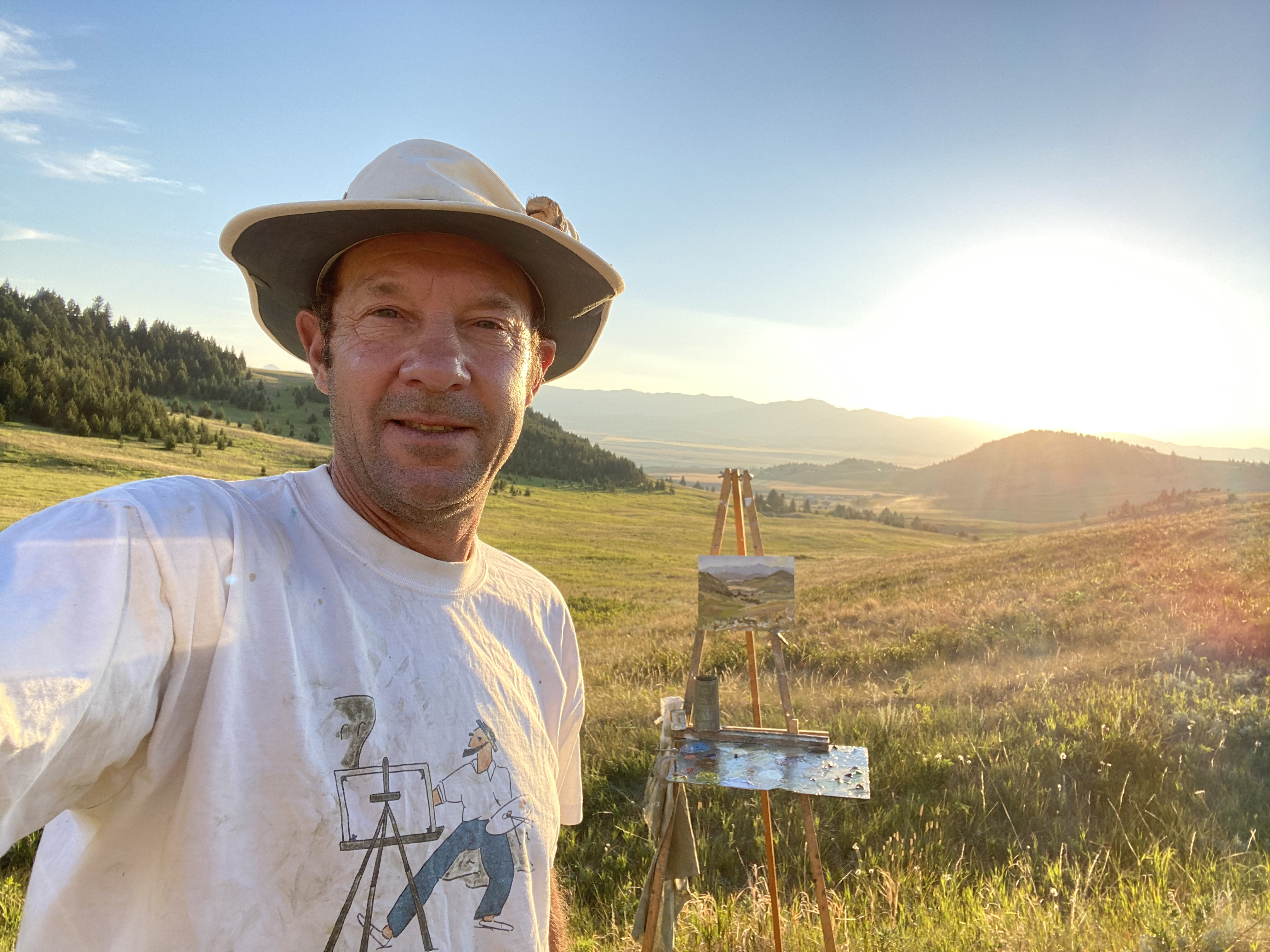
The variety of painting types happen in my studio. But in parallel I paint “en plein air”. I’ve done this for over 30 years. I make these small paintings in an observational (mimetic/imitative) style; or, I may depart from that by using my own colours and figuration, and by letting the brushstrokes communicate.
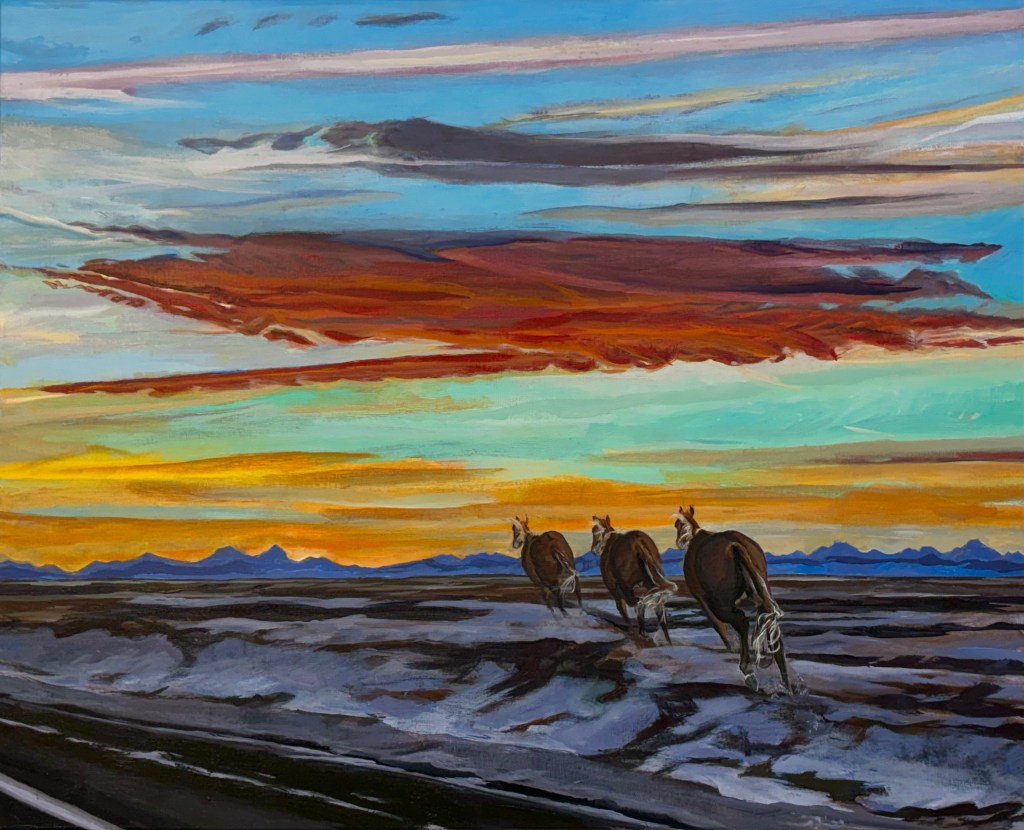
I also paint larger format paintings from photos informed by environmental concerns.
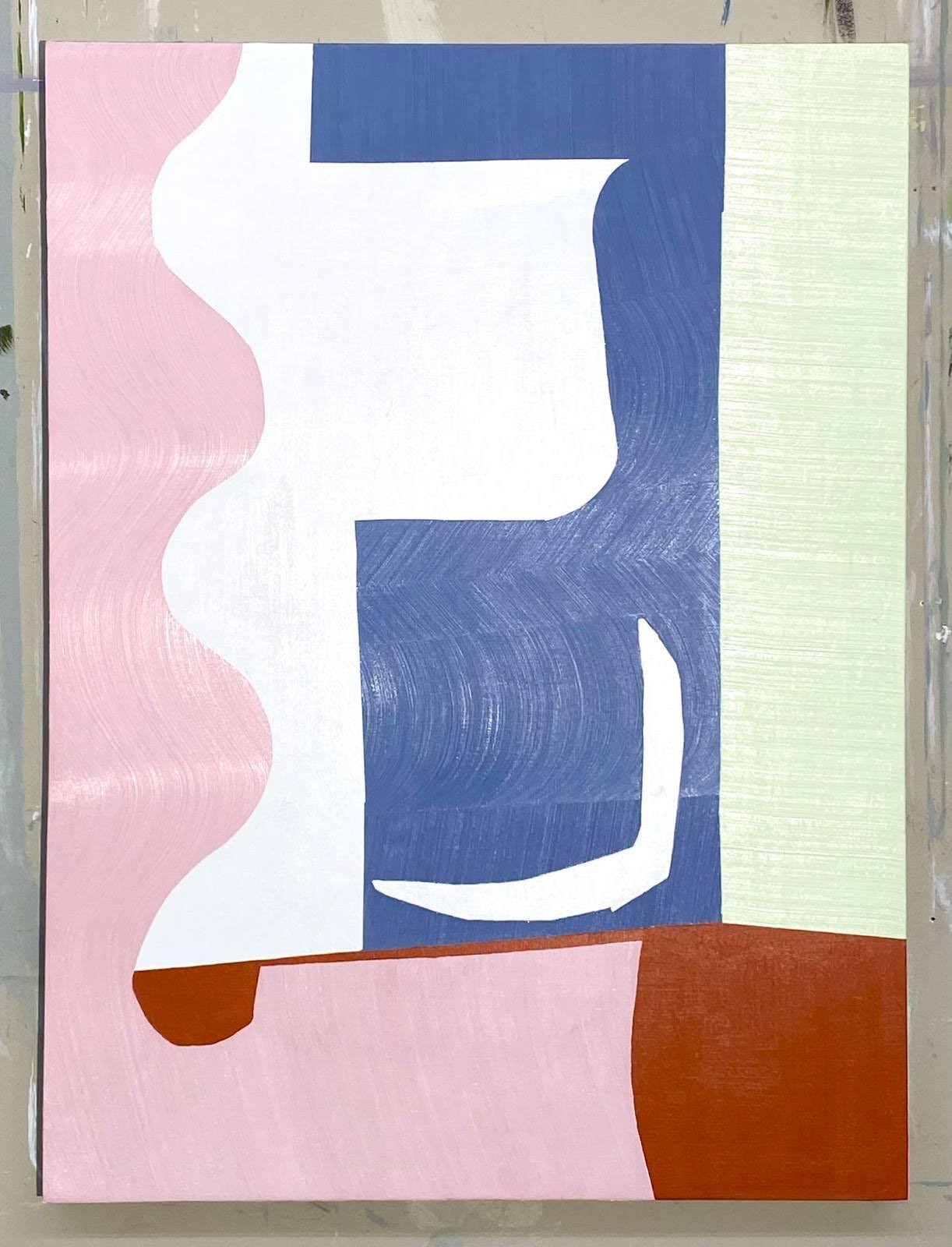
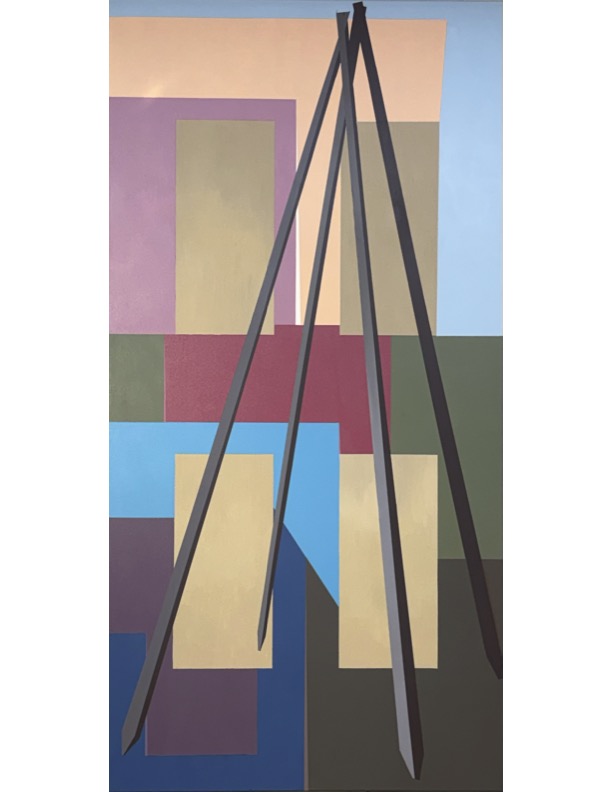
I also make abstract paintings that have a broad range of marks and colours. They are made using various mark-making techniques. In my view, truly abstract visual art is quite remarkable for it’s ability to instigate feelings viewers derive, again oppositely to a purely observational painting; i.e. when the work is without any referents to the understood. Most artwork including my own, often sits somewhere between purely observational and purely abstract.
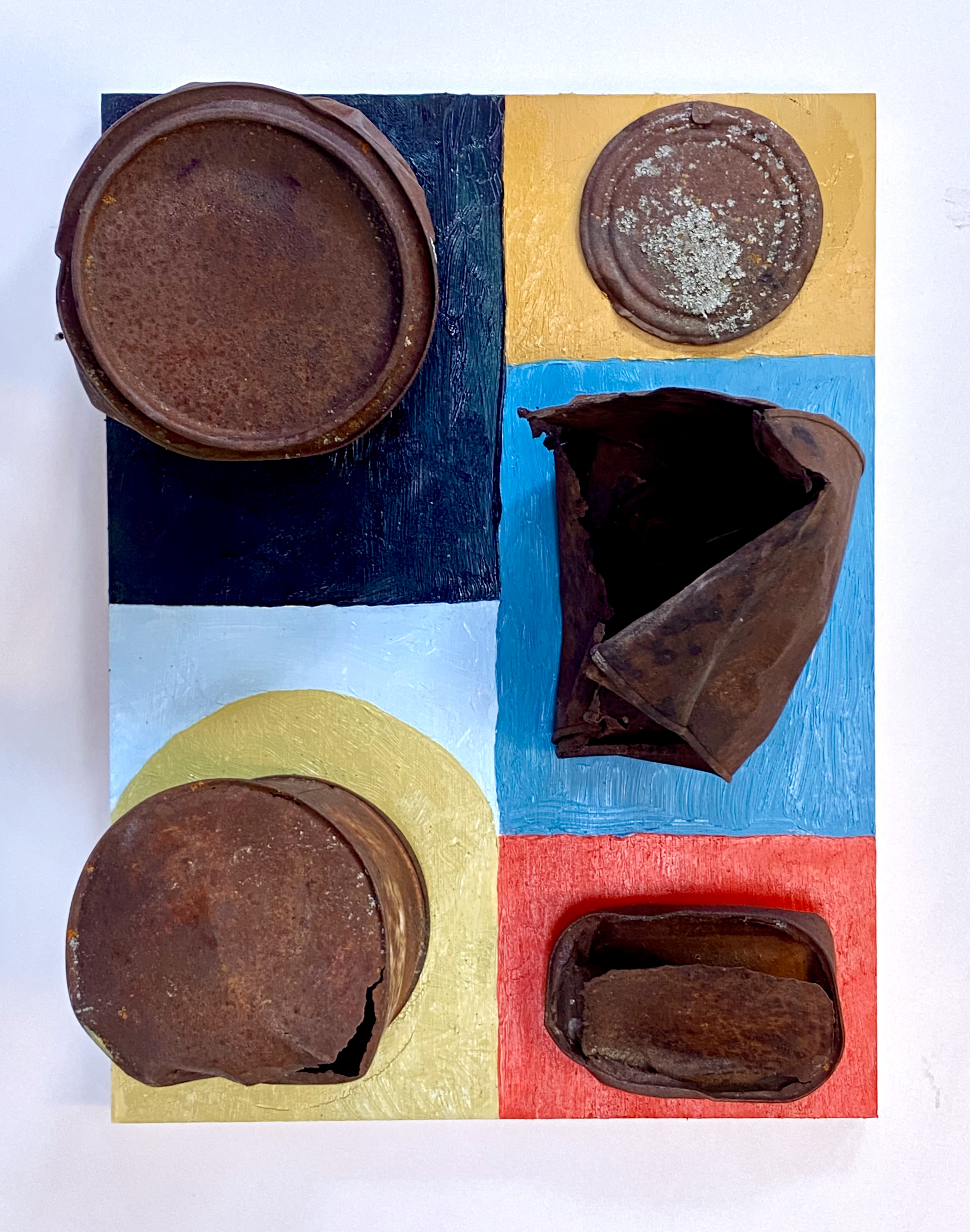
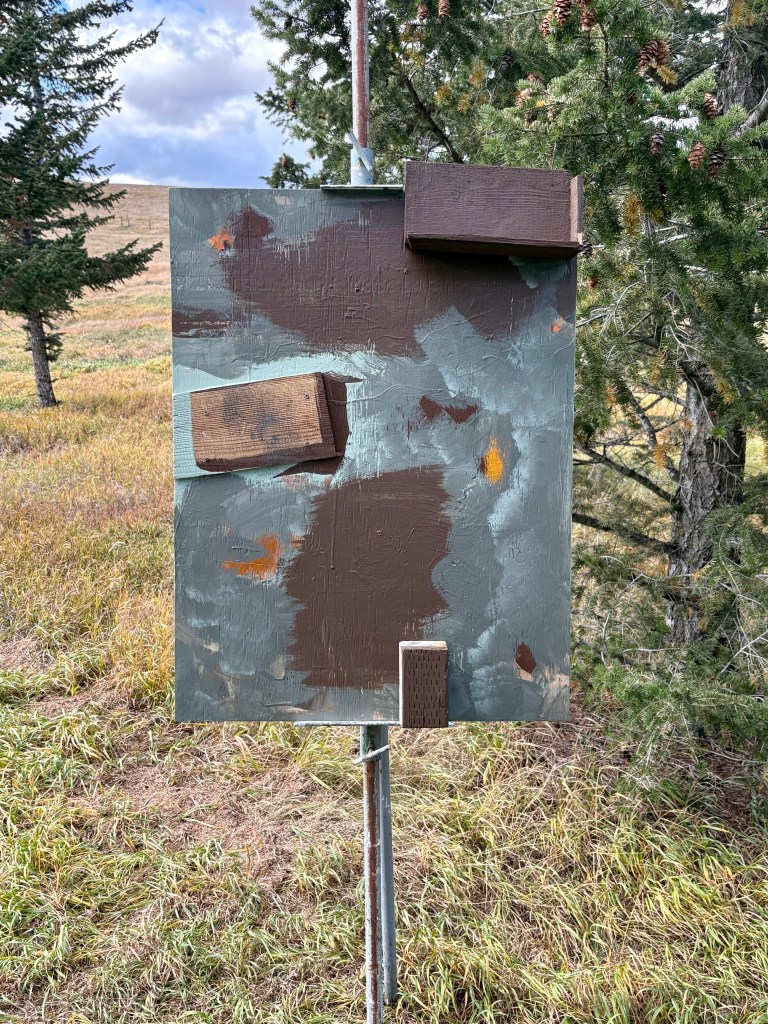
I also make pictures where I both paint areas or make marks; and, affix objects, to wooden panels. These can be done outdoors, letting my intuition be informed by the environment at my temporary outdoor studio which is often very near where I collected the object(s) and/or the support, from.
My photography and video practice consists of recordings of situations or environments where I will have added/subtracted something or caused something to happen or change.
I was a sculpture major in art school, and I have always collected things mainly “junk”. Generally I assemble object-based works with these found materials. My “rule of two” is a starting point – limiting the work to an assemblage of two objects. Or, start from a first-sight impulse. Or, a goal can be indecipherability, notwithstanding the work consists of recognizable things.
In my object-practice I want the viewer to be “face to face with reality itself”- a notion of sculptors like Richard Tuttle (American b. 1941). I try to cause their parts to both “be” and to also evoke other ideas. This, in part through the way the work is placed (including it’s site in some cases) and in part through the oblique associations the work’s components can have with each other. Josef Beuys’ (German, 1921 – 1986) teachings around intuition are important to me. I find Gabriel Orozco’s (Mexican, b. 1962) pragmatic approach to his (more spare) practice in many media, particularly his objects and photos, instructive.

