PLEIN AIR
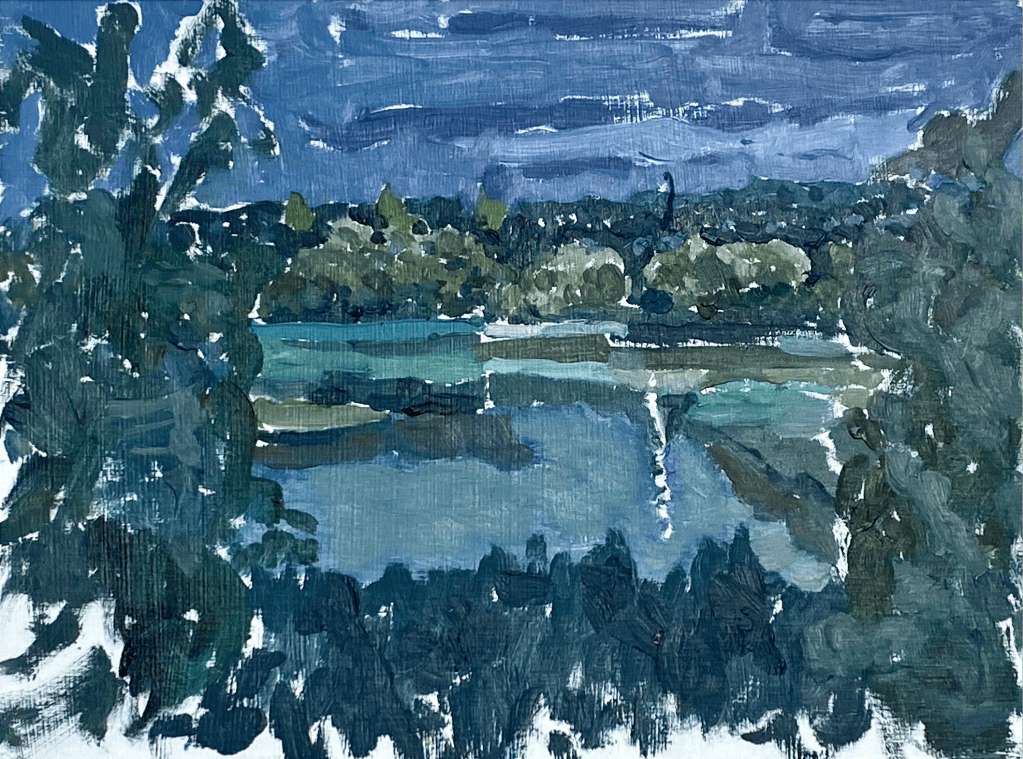
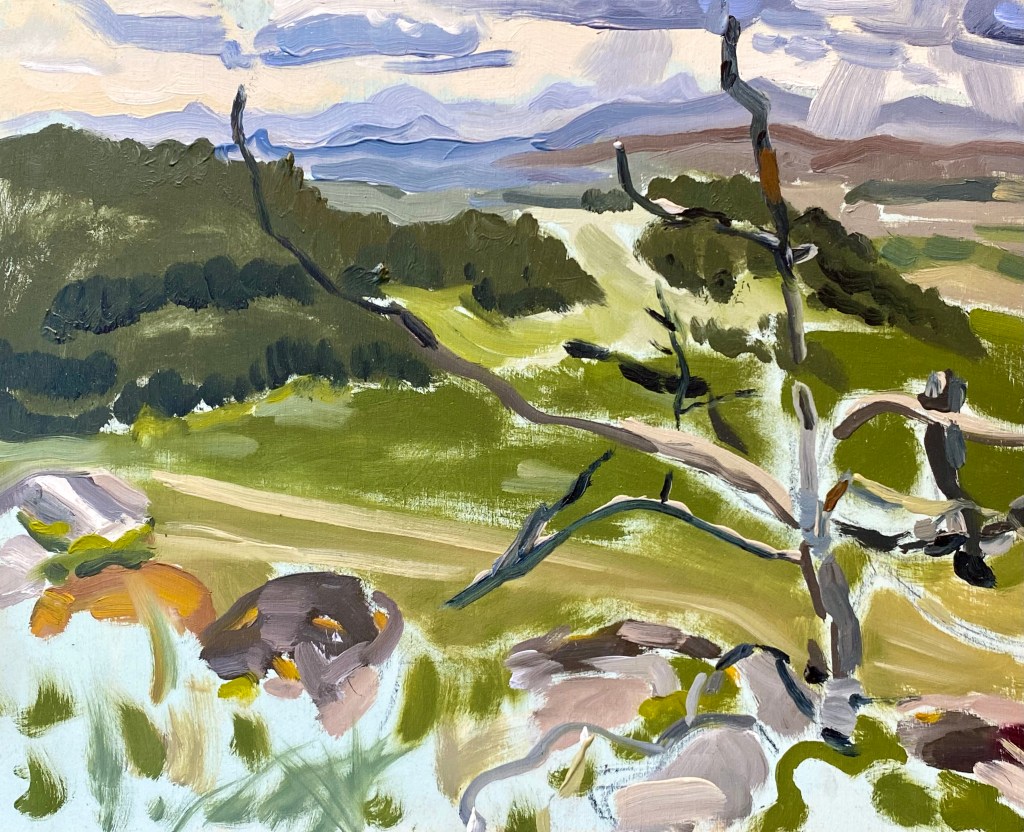
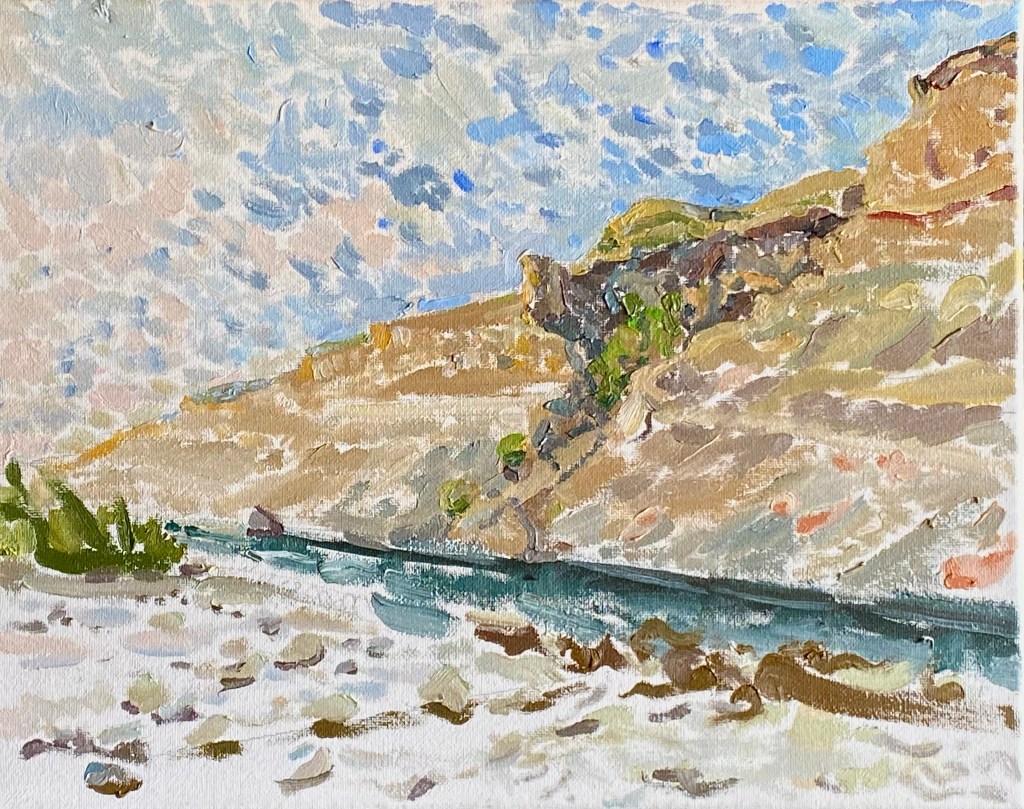
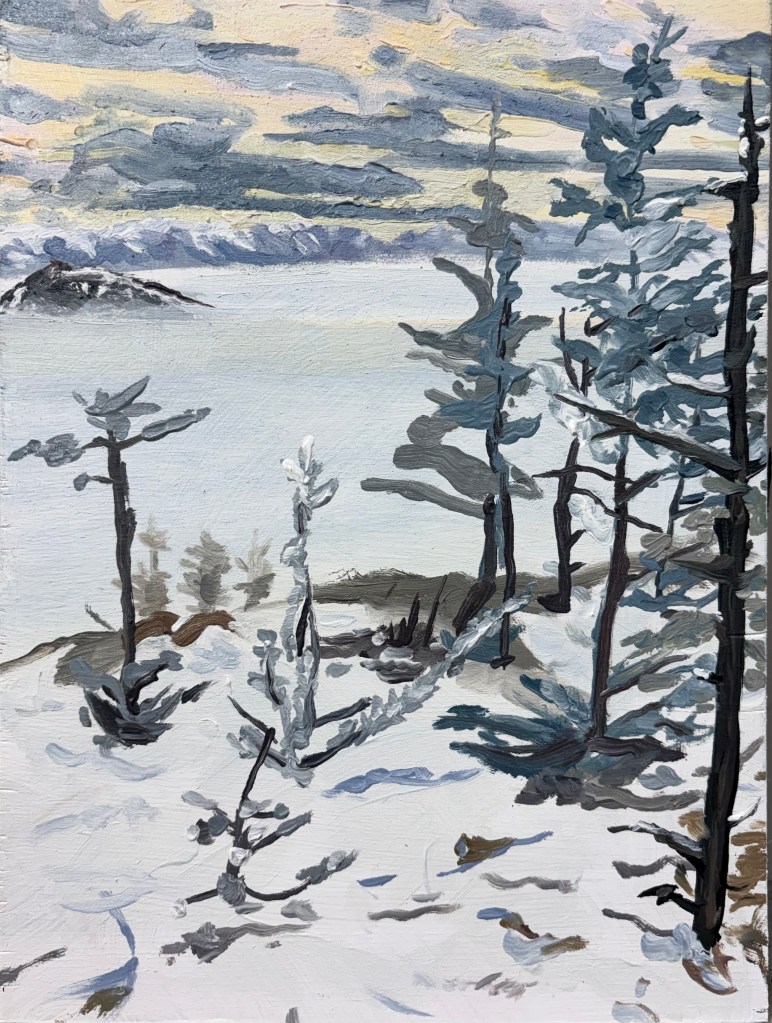
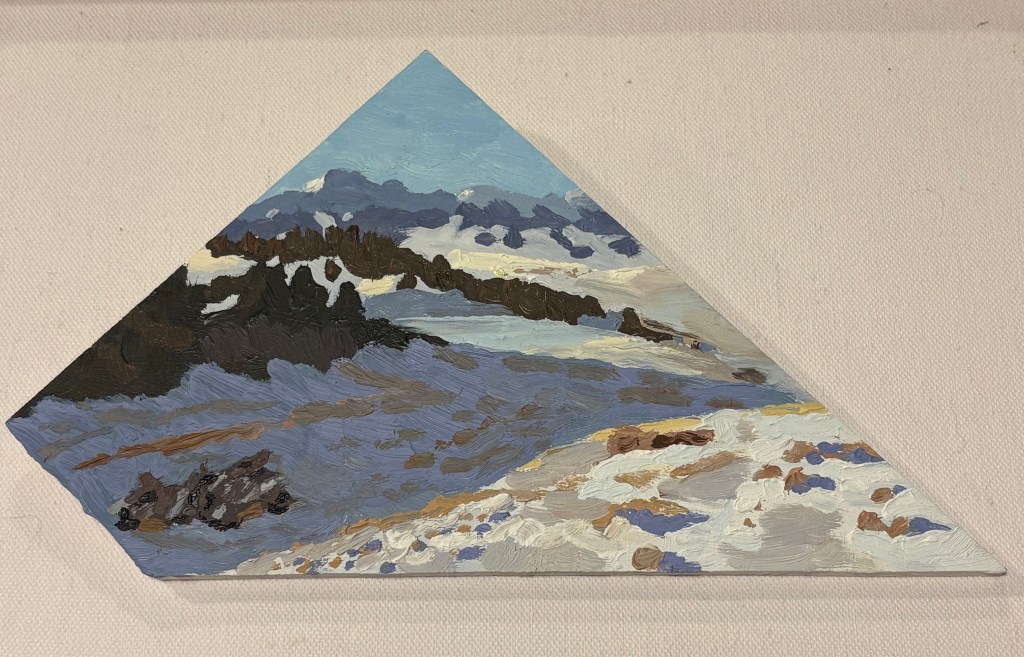
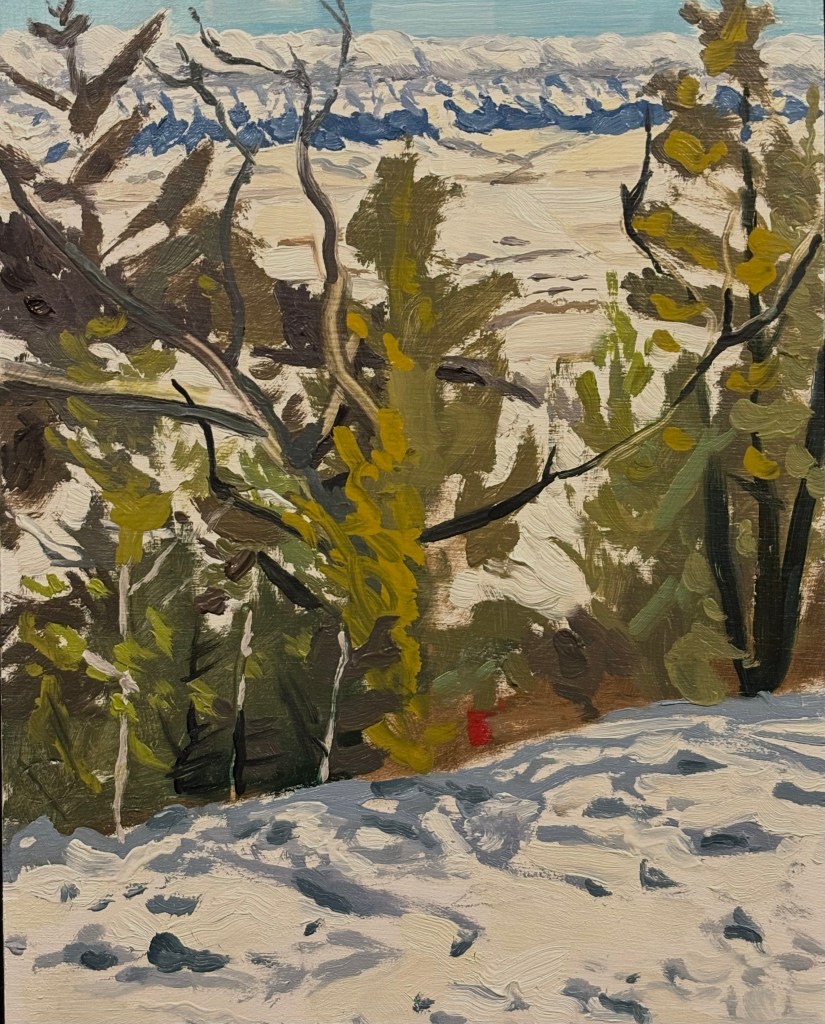
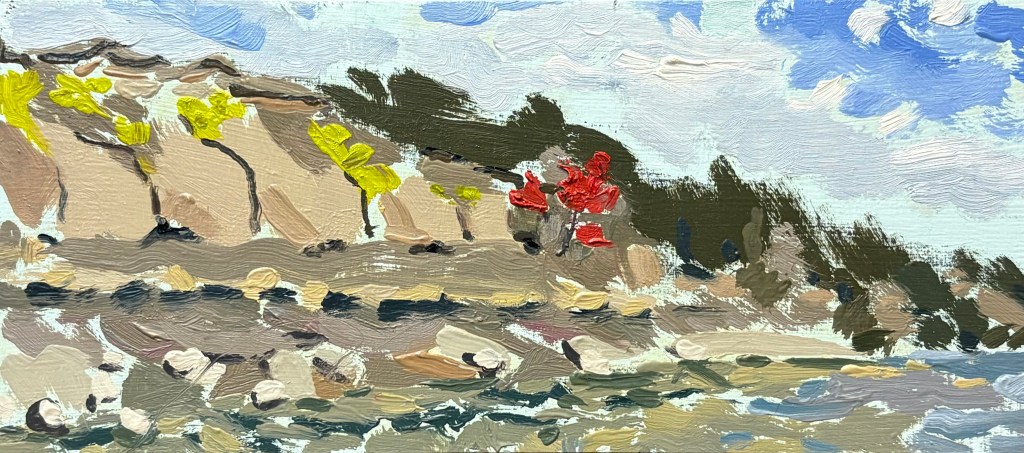
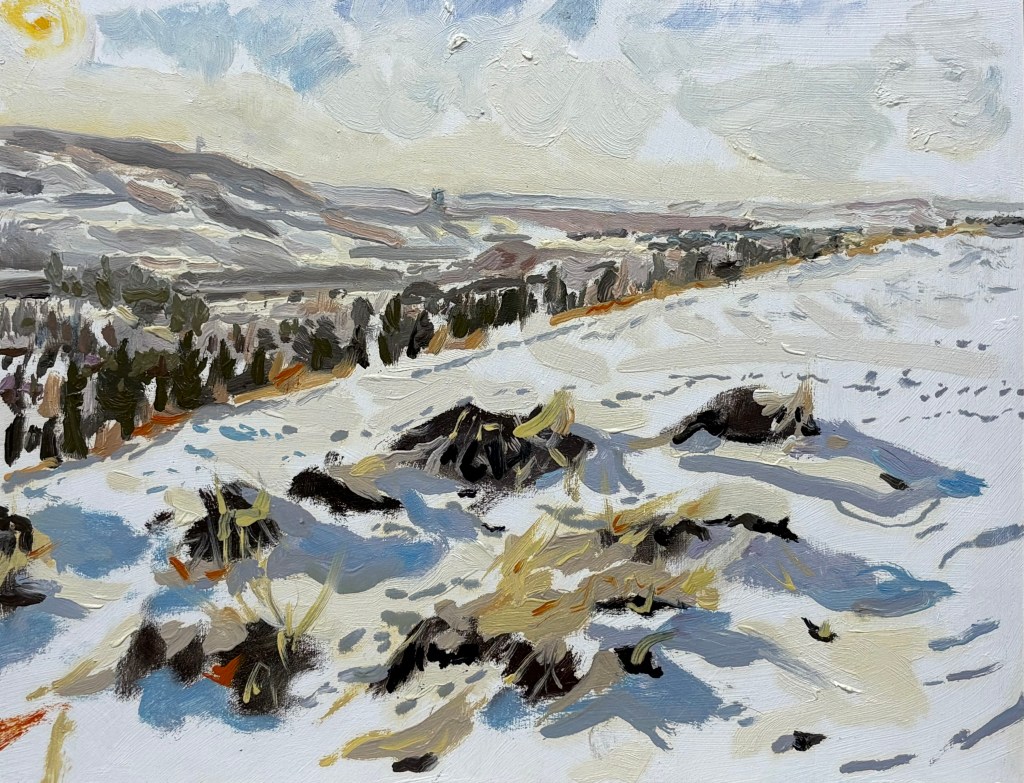
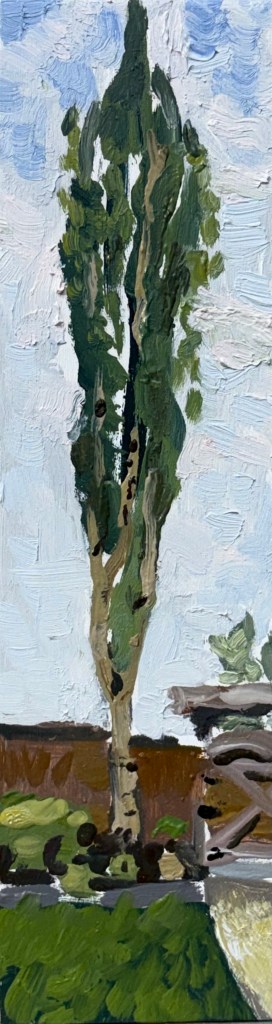
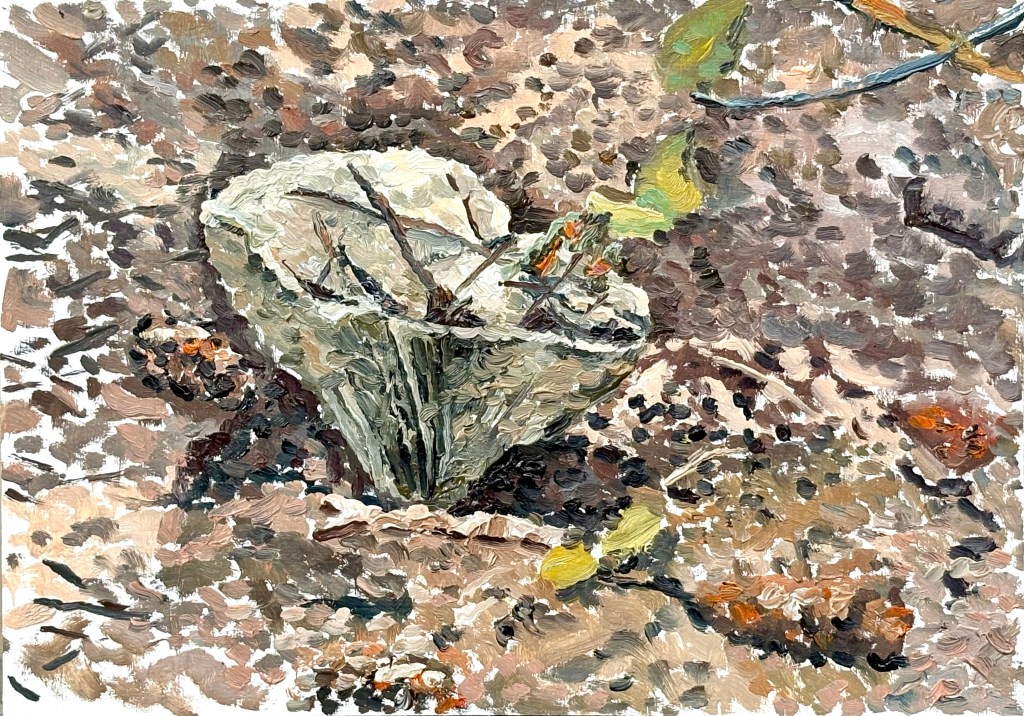
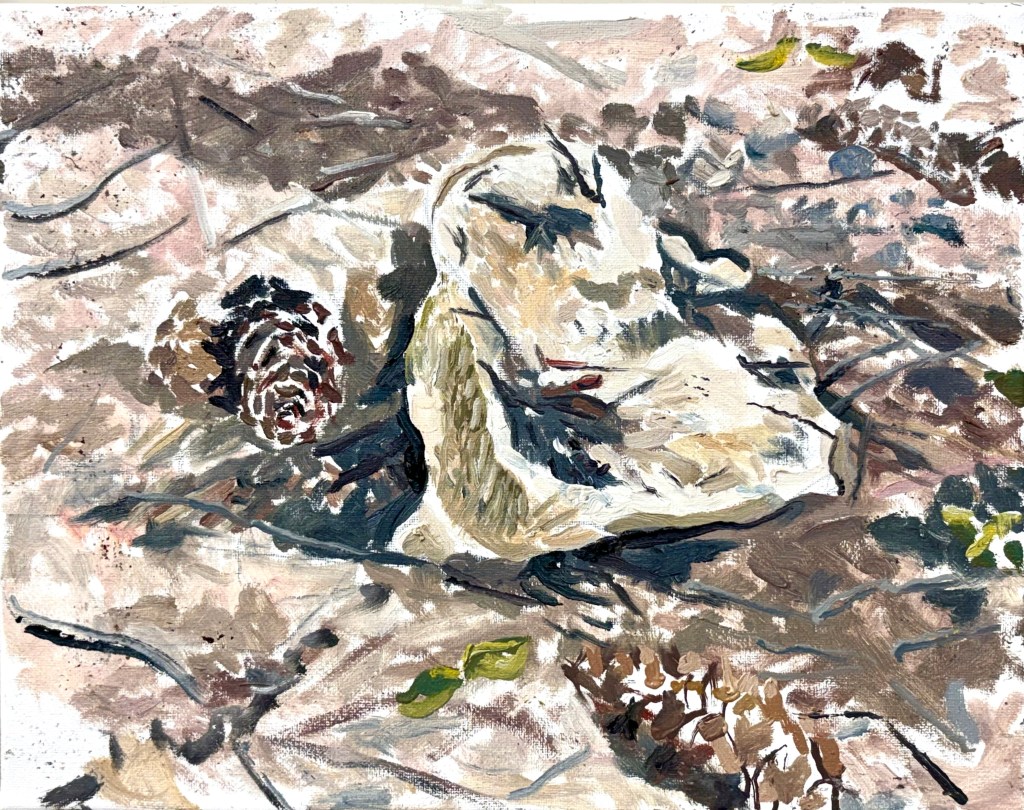
These are mainly observational – a painted visual recording, often referred to as “mimetic” of the section of chosen place/geography. Sometimes I make marks that might place the pictures in the general style of Post-Impressionism, or Fauvism. It may be a predetermined intention to paint something with oblique colours or, I may feel inclined to do so when I am in front of the place I’ve decided to work.
60 Paintings
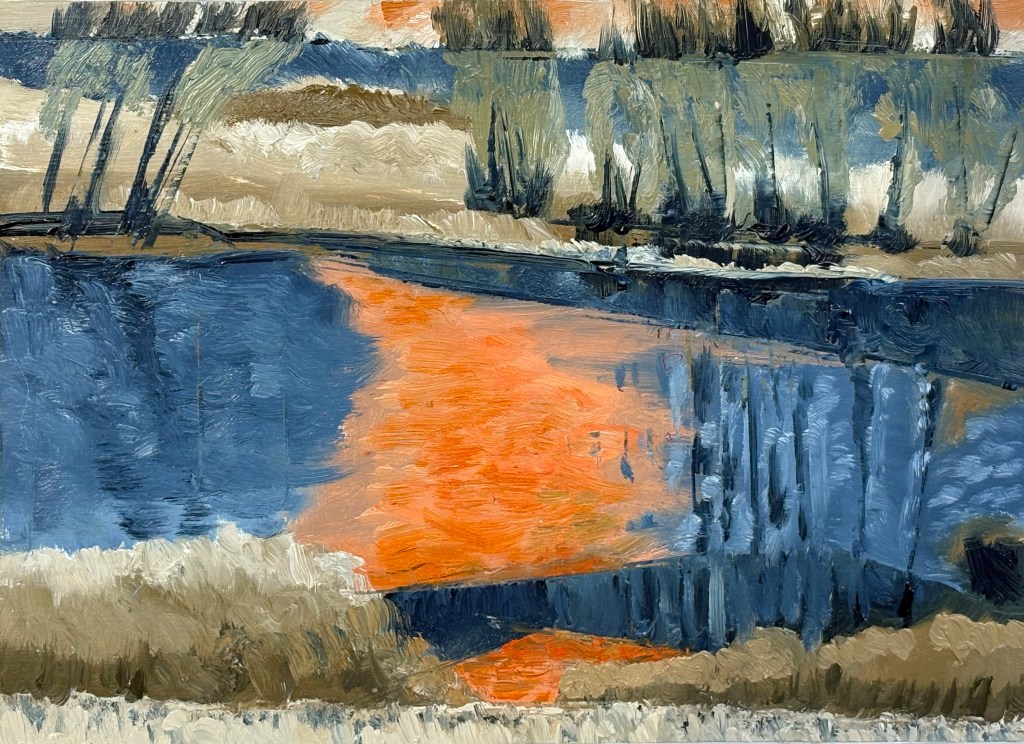
In 2025, I painted 60, 6 x 8″ (or 8 x 6″) oil paintings on wood panel, of nature to support the Alberta Wilderness Association’s ongoing work as an ENGO in Alberta. The 60 paintings are displayed in a “Gallery” on the page “60 Paintings”. You can find that page by clicking the painting below (titled: Thin Ice).
Plein Air Paintings, in General
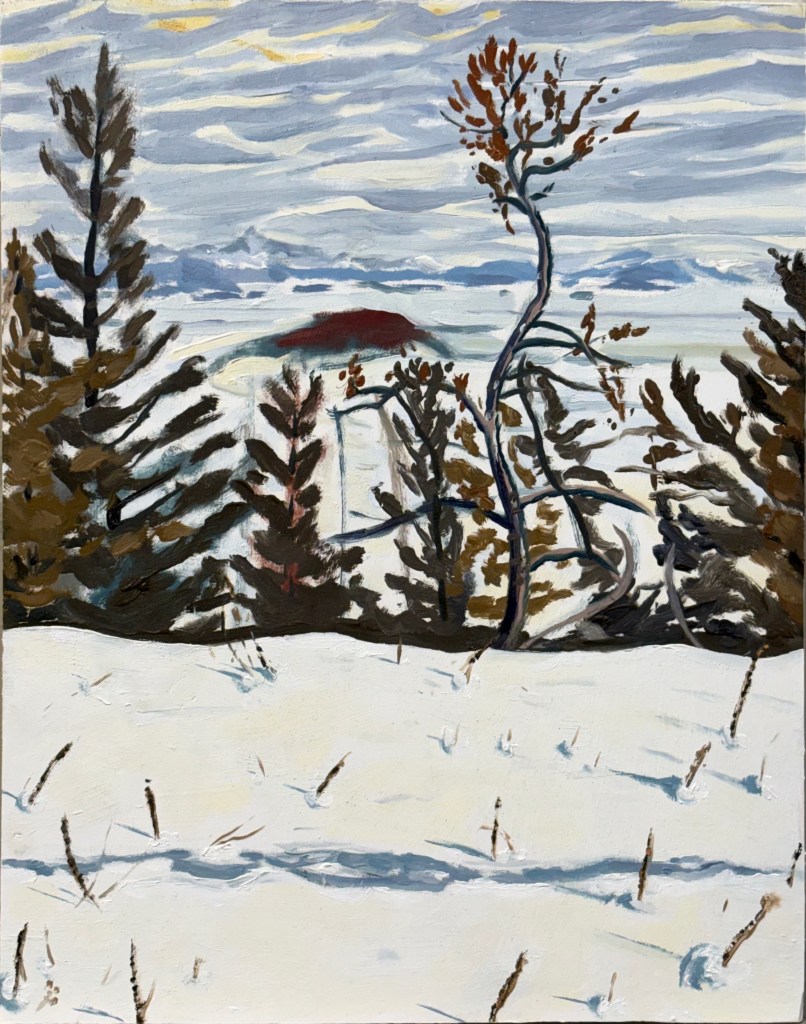
I sample of some of the 100’s of plein air paintings I’ve done since approximately 2002, are displayed below.
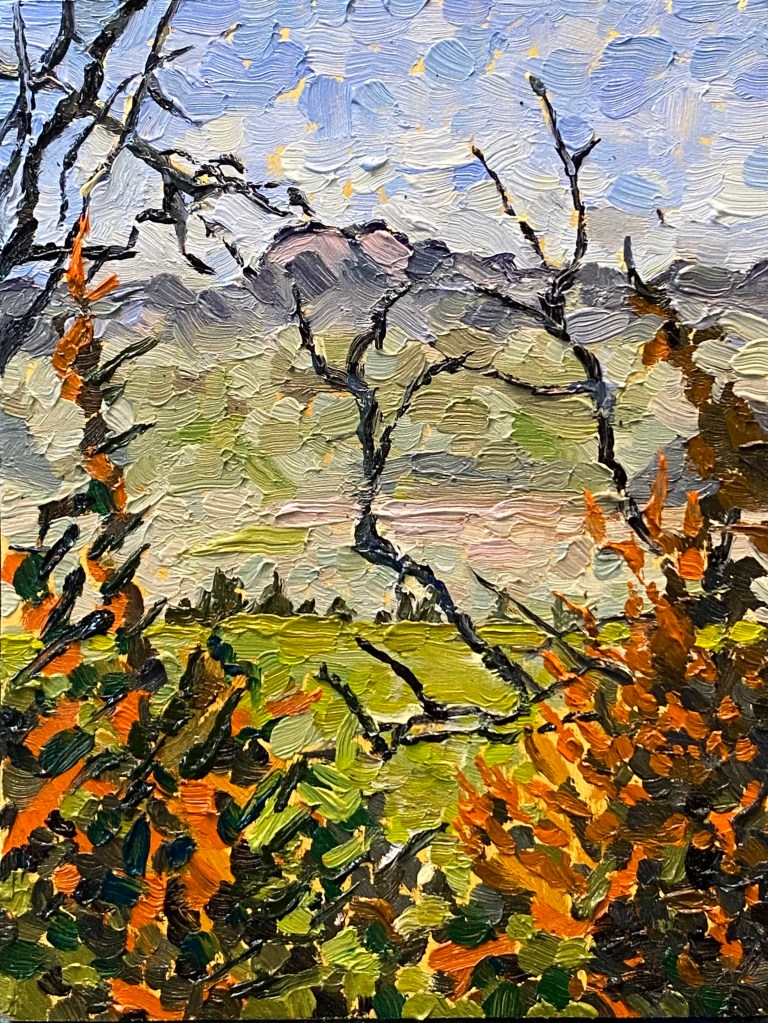

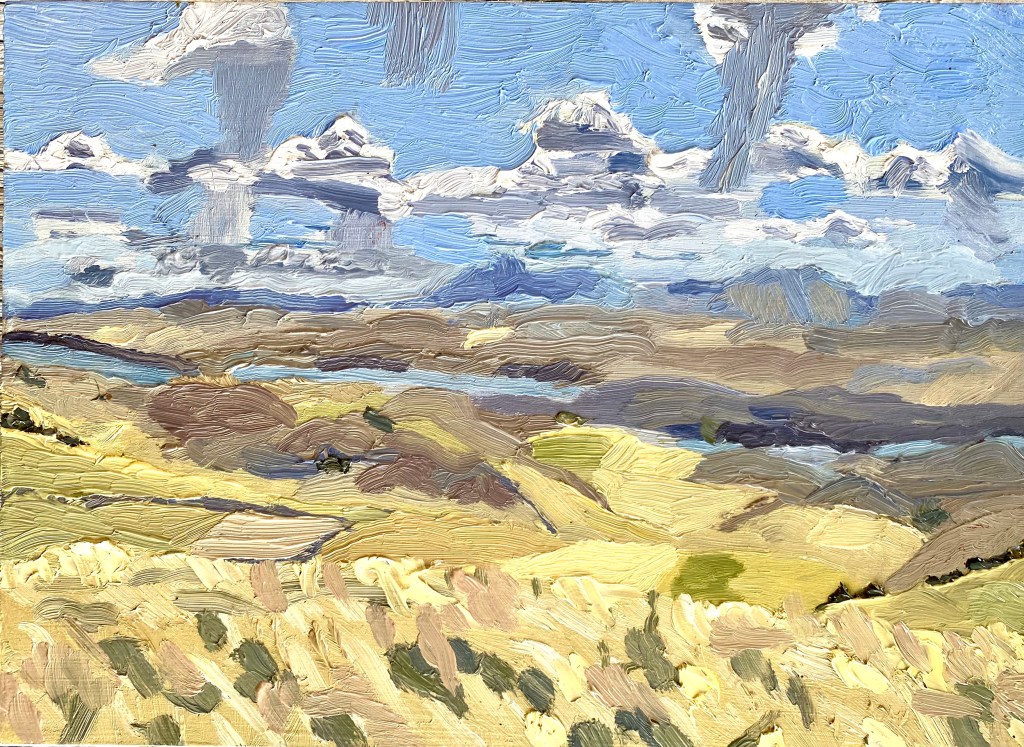
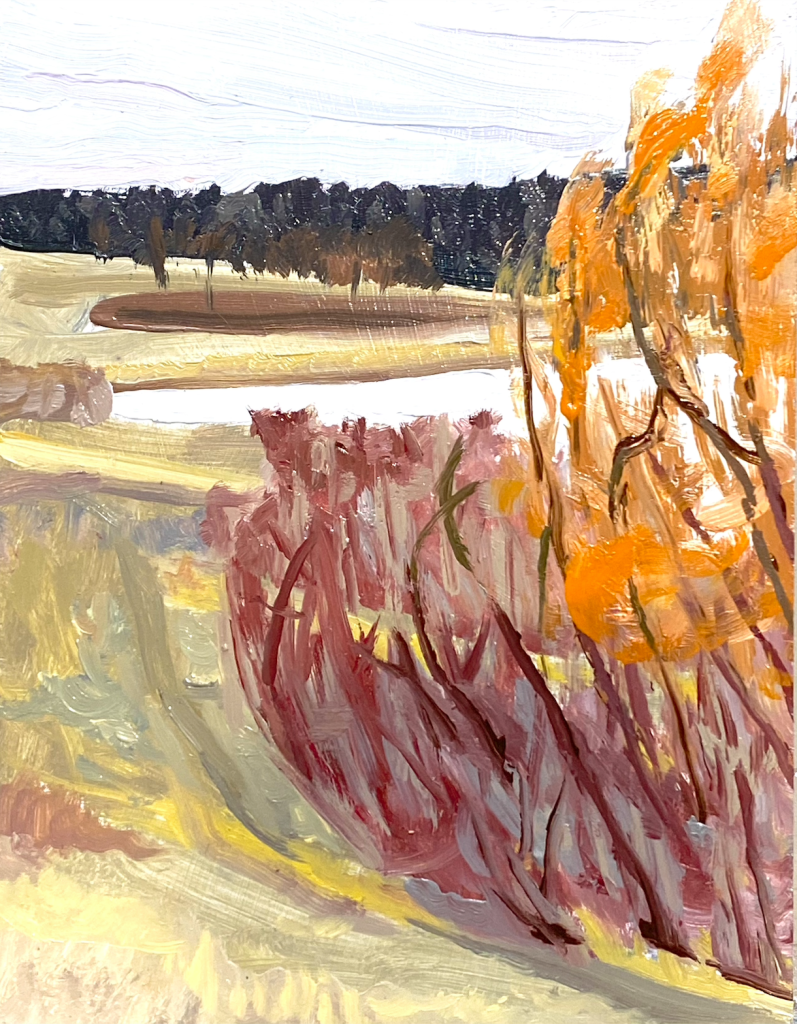
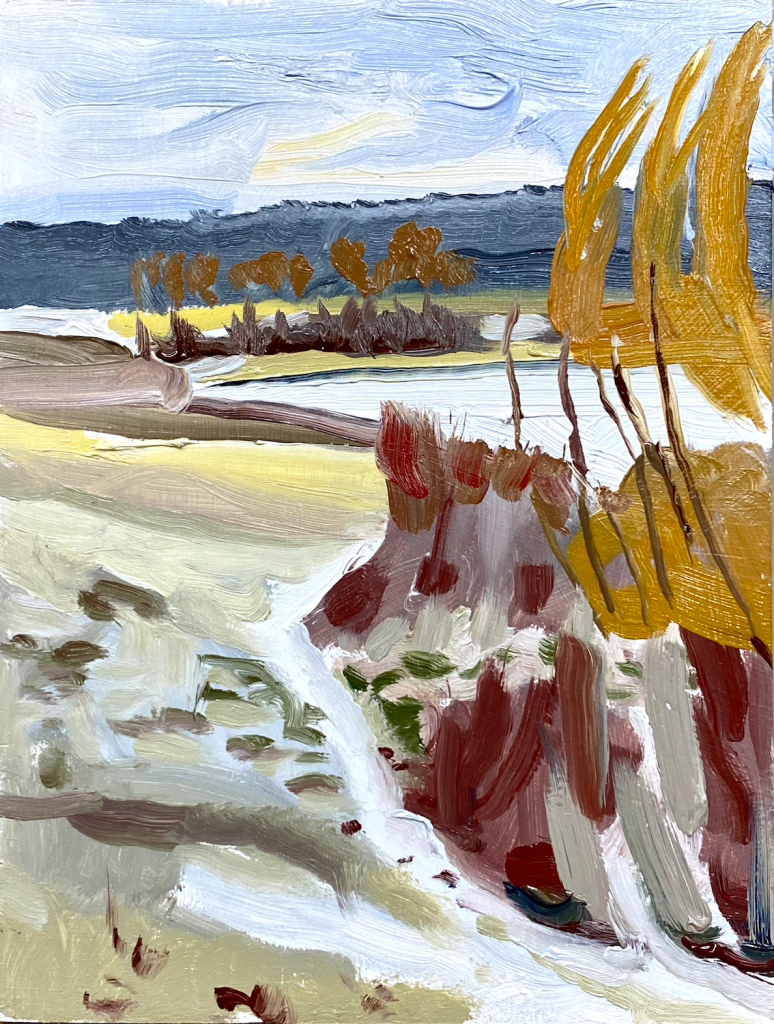
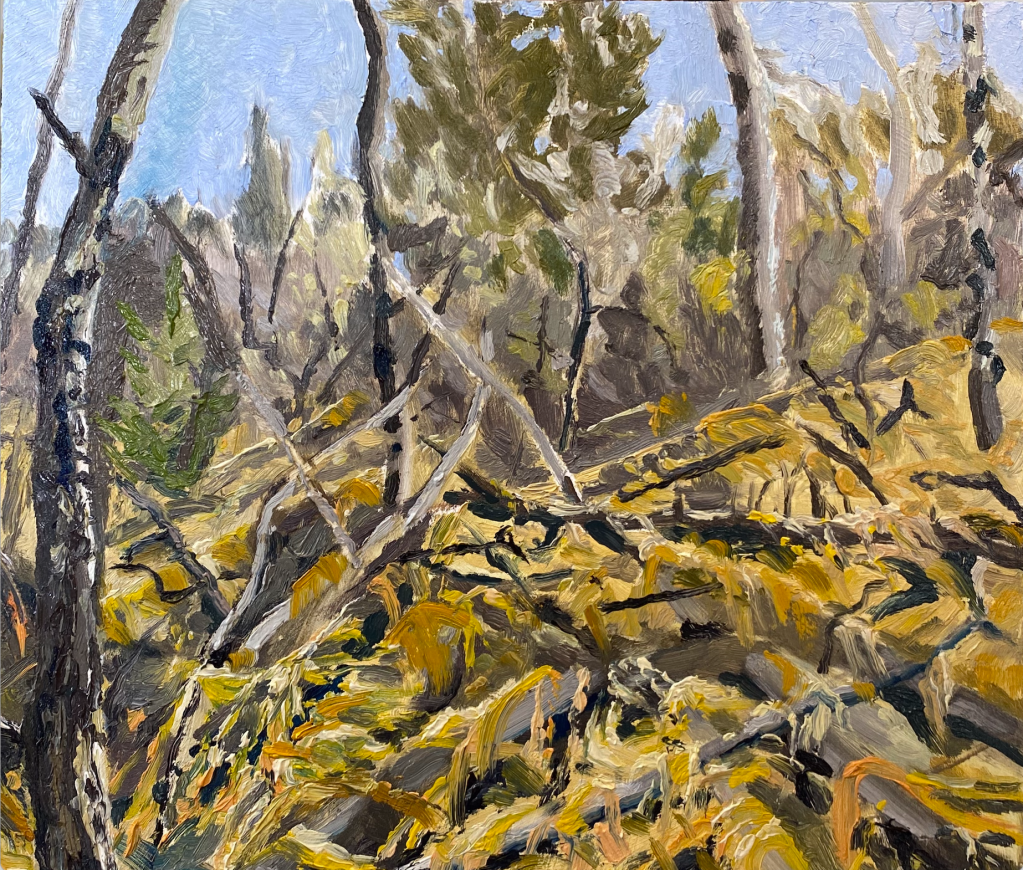
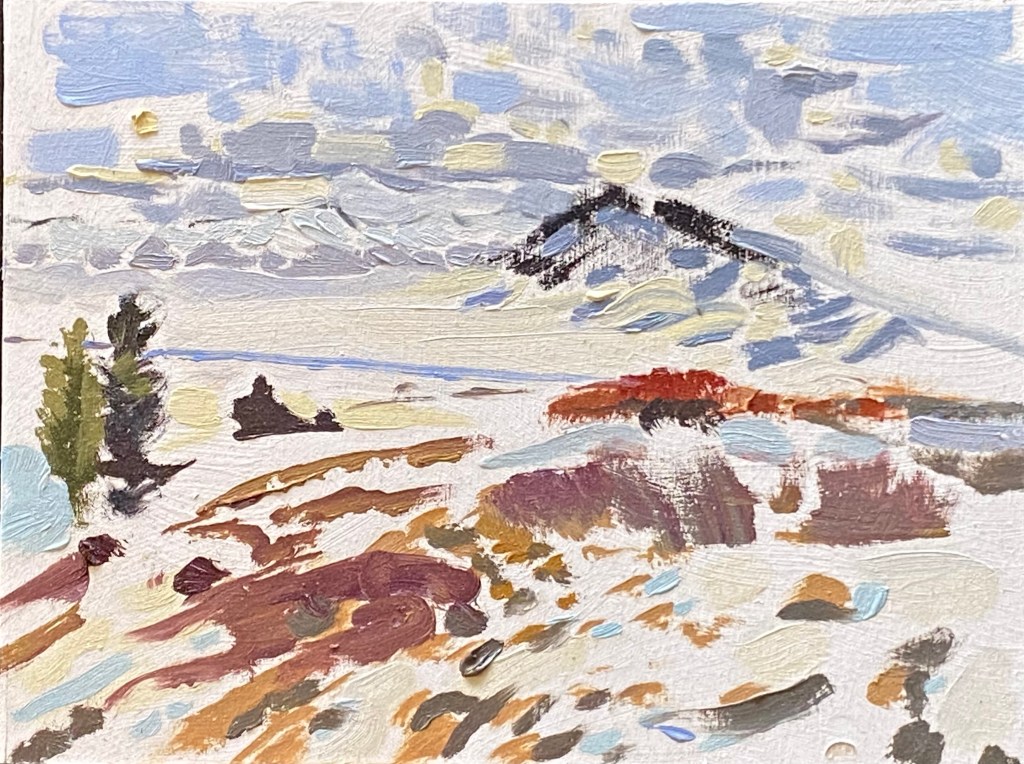
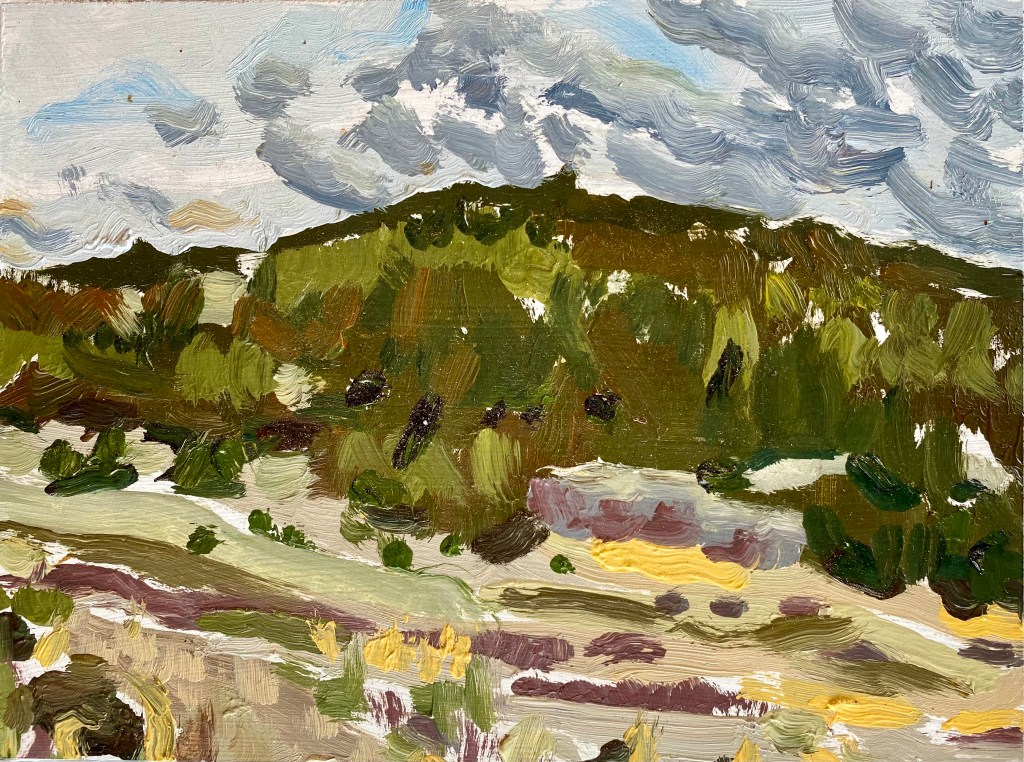
When I deviate from representation, I use colour/line-brush/form etc. to react to how I feel studying the subject, or develop something over the duration(s) I was there. I make marks to also record the sensibilities I had there and then. It’s in part intuitive and/or instinctual.
Even works that are observational (visual records) have a style. By “style” I mean, what makes a given painter’s work identifiable as their’s. One quality of my paintings is the colours are slightly more intense than what was before me. Likely from my desire to differentiate the many “pieces” that make a scene, from each other.
Representative (ish) works are found here; pictures more in the nature of “Fauvism” (also painted en plein air) are found in a separate section.




A text ABOUT LANDSCAPE PAINTING
Please read these paragraphs as somewhat connected but also disparate.
A building block of painting is figure and ground. Neither is more important, it is only our anthropocentric outlook or conditioning towards desiring normal compositions with things highlit in a neutral spaces that tend to elevate the importance of the figure over the ground.
However, if I am walking in nature, there is the land and the air. There may be water, and there is foliage. Obviously, I am much less important than the land, air, water and foliage which support all life; and, which don’t “need” me at all (whereas the converse is the opposite).
(What un-natural figures such as. e.g. a building, a person(s) have any place in the ground, if they are essentially despoiling it’s function and betray a permanent disturbance of it?)
The late 19th and early 20th century “isms“ were (on one level) different ways to enmesh ground with figure. Pointillists and Fauvists dabbed, “palette-knifed” or smeared near–primaries and complementaries, etc., in the spaces of the lands and the skies (such places usually operating as “grounds”) as much as they did in the spaces of objects and human figures (usually operating as “figures”).
Colours in cooperation and coexistence are preferable than the same colour(s) are when in isolation and competition. Some colour combinations are dismissed as kitsch but even the great Bauhaus painter and teacher Josef Albers stated all colour combinations work, albeit they work differently and we may be faster to “like” some than others.
Paintings of nature give the viewer an available subject to begin engagement. Landscape painting is often too quickly dismissed for being a tool of leisure; or, of colonialism, patriarchy, privilege. Abstracting a picture may arguably be more creative than recording a landscape mimetically but abstract painting is by now so common and derived from other abstract painting, we can conclude that challenging, creatively new abstraction is rare; and, anyway, a picture’s creativity and it’s strength are not always correlates.
Landscape painting is rare in the sense that, in what many would classify as “serious art circles” there are fewer landscape painters than abstract painters.
No contemporary gallerist wants a landscape show to ruin their reputation as being “a gallery that is on the cutting edge”. That fear does not seem to prevent them from putting up yet another abstract painting show re-working the theories of push and pull, the vocabularies of the raw brushstroke, and the allure of hard edges/staining/scraping that Hans Hoffman, Franz Kline, Joan Mitchell, Helen Frankentaler and many others coined 75 or more years ago, in the 50’s and 60’s if not earlier (Cezanne, nearly 150 years ago, now). (Rant: desist!).
When in response to something I see in the landscape, I put a bright orange next to a bright green, I feel I’ve been fair. I did it because something caused me to genuinely want a chance to see those colours adjacent. I am looking at those colours neutrally, for example, not attributing them to any namable subject. They can be colours for the ground, they can be somewhat methodic, they can thrill me. They may lead the viewer to engage in some thinking different from their automatic inclination to discern, and to ascribe a descriptor to what they are looking at. I endeavour to be neutral to that – easier to say than do; but, (for example) if it’s a good bunch of marks, even though it may at first “confuse”, leave it alone. If I can generate something like that intentionally, perhaps I am even happier. (Ego: desist!).
I feel there is value in using basic (and fewer) building blocks, ingredients. Good abstract work butts up to good landscape work, the two hang together nicely. Nature itself abstracts expertly, imaginatively, and surprisingly. Many great abstracts are as atmospheric and alert to the figure–ground relationship as anything recording something “real“. In my view it’s inescapable a landscape painter has to learn about (and do) abstract painting.
I sense that presentations of the outdoors, nature, and landscapes are a good choice if they allow me and others who might look at my work, to obtain a personal connection. With the World turned on its ear by brazen and reckless leaders mentoring hate and selfishness, wreaking chaos, it’s not a bad activity to spend time making small-format (and therefore less bellicose) expressions of the outside, and look out for some of nature’s most interesting offerings.
Even though it’s exhausting, frustrating, sometimes very cold and/or challengingly windy to be out there, I get to be with my dogs who are pretty much weather-agnostic. I (and they) feel healthier and more calm. Finishing a session gives me satisfaction. It engages me in a kind of painting activity that has become a little less common. Learning from failures, revisiting “good ones” that seem to lack; or, gaining insights from looking at the Masters and contemporary leaders in making landscape pictures – those are good ways to stay in the game.
Observationes noto, ergo sum. No need to overthink it, just go out and get it on.

 Neil Kathol Visual Art